
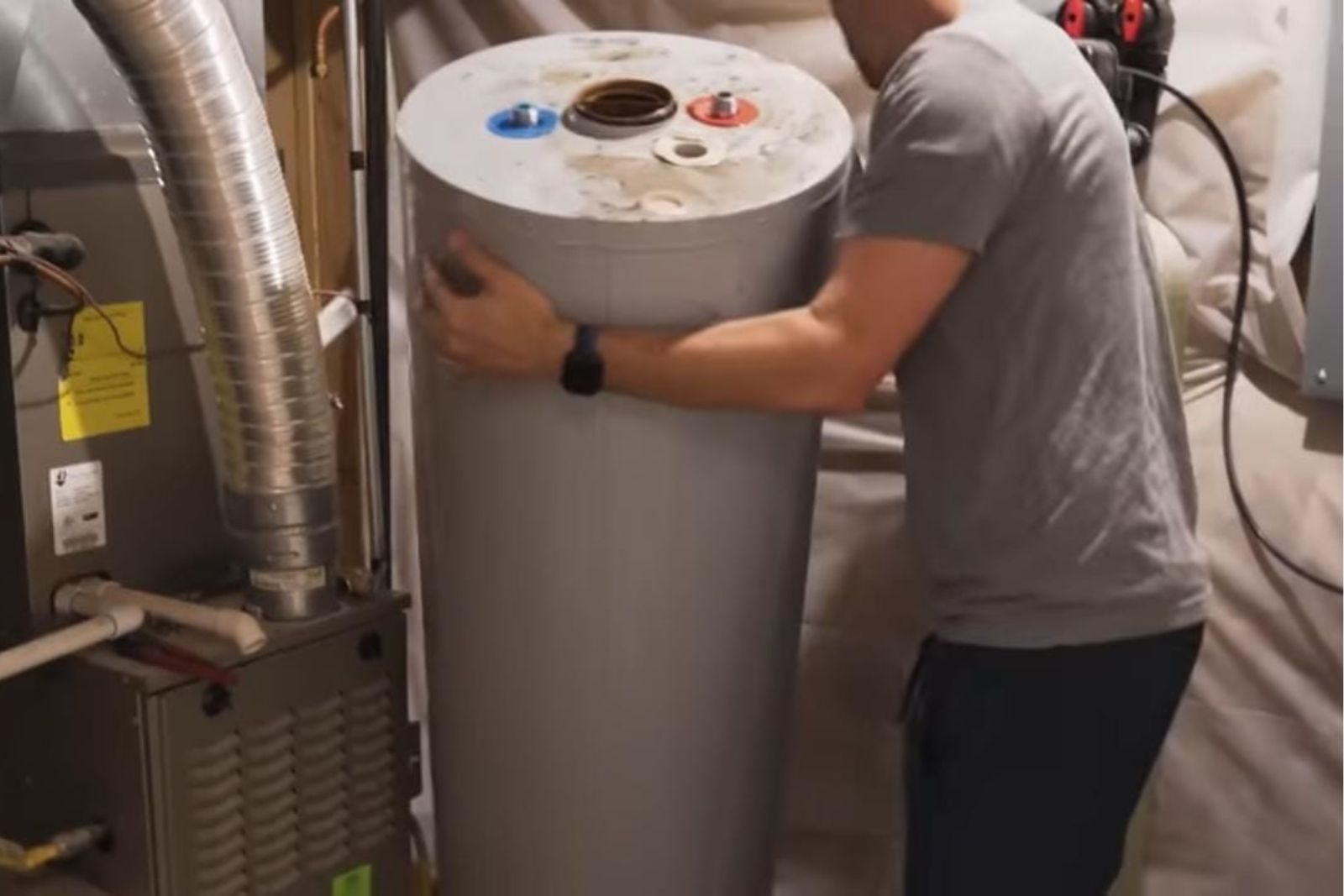
Why a failed tank is replaced, not patched
A tank water heater is a steel vessel with a glass lining, and its life depends on that lining and the anode rod that sacrifices itself to protect it. When corrosion reaches the shell, water seeps out and no repair holds. That is the most common reason we replace a unit instead of fixing it.
Other reasons include a unit that is old and failing in several places at once, a gas control valve that costs close to a new heater, or a household that has outgrown its tank. If you are not sure which case you have, start with a repair diagnosis. We will tell you honestly if the unit still has useful life. Replacing a tank is regulated work.
Minnesota Rules section 4714.0504 covers water heater requirements, and pressure relief valves fall under section 4714.0608 of the same standards.
Flooding from a failed water heater
A tank that has split can empty 40 to 50 gallons across a floor in minutes and keep trickling afterward. We answer these calls around the clock, including nights, weekends and holidays, and we book same-day replacement when the schedule and stock allow.
Gas smell comes first. If you smell gas near the heater, leave the house and call the gas utility or 911 from outside before you call us.
- Close the cold water supply valve above the tank. If the valve is stuck or leaking, shut off the main water valve for the house.
- Turn off power at the breaker for an electric unit, or set a gas unit's dial to off.
- Open a hot tap upstairs to relieve pressure, and open the tank's drain valve to a floor drain or hose only if you can do it safely.
- Pull rugs, boxes and electronics away from the water. A wet vac or towels buy time.
- Photograph the damage and the data label before cleanup, since your insurer will want both.
Gas, electric, heat pump or tankless: the options
There is no single best heater. The choice depends on your fuel, your space and how hot water gets used at home. Cost levels below are relative, not prices.
| Type | Upfront cost level | Running cost | Notes |
|---|---|---|---|
| Gas tank. | Medium. | Medium. | Needs a vent and a gas line. Fast recovery. |
| Electric tank. | Low. | Higher on resistance heat. | Simple install. Slower recovery. |
| Heat pump (hybrid). | High. | Lower. | Needs air space and a condensate drain. Cools the room slightly. |
| Tankless. | High. | Varies by use. | Needs gas and venting capacity. Details on the tankless page. |
Heat pump water heaters are a real option for homes switching from gas. We make no rebate claims here, so ask your utility and the manufacturer what programs exist before you buy.
How old is too old
Age is a clue, not a verdict. Tank heaters in hard-working homes tend to run out of road after about a decade, though water chemistry, sediment and whether the anode rod was ever replaced all move that number. The data label carries a serial number that encodes the build date, and we read it on every call.
Signs that a tank is near the end include rust at the base, rust-colored hot water, a rumble when it heats, moisture around the drain valve, and a pan that is not dry. Two of these together mean you should plan the swap, even if the unit still makes hot water today.
The leak decision: replace now or wait
A leak from the tank shell is a replacement trigger the same day you find it. Water already on the floor damages drywall, wood framing and flooring, and the longer a failed tank sits wet, the more the claim grows. Wet insulation or a finished basement raises the stakes.
A drip from a fitting or a T&P valve discharge is a different story. Those are usually repairs, and replacing a sound tank would waste money. We trace the source before recommending anything, and if the wet spot is far from the heater, leak detection finds a hidden line without opening walls blindly.
What happens to the old tank matters too. We drain it, disconnect it, carry it out and take it for disposal and recycling, so you do not have a 100-pound steel tank waiting in the garage.
No hot water and a heater you cannot save
If the heater is cold and a repair does not make sense, we can often swap it the same day. Call early in the day for the best chance, since stock and schedule decide it. After hours, we can usually stabilize the situation, shut off a leak and set up the replacement for the next available slot.
Show us where the current unit sits and what fuel it uses. A like-for-like swap in the same spot is the fastest path, and it avoids new venting or gas work.
Sizing, venting and the parts people forget
A proper swap is more than lifting one tank out and another in. These items decide whether the new heater works well and passes inspection.
Capacity and recovery
Tank size should match peak use, meaning how many people shower at once and how large your tub is. Gas units recover faster than electric ones, so a smaller gas tank can match a larger electric one.
Venting
Gas units need a flue that draws properly. A new unit may need a different vent size or type, and a high efficiency model can use a plastic vent through the wall instead of the old chimney.
Expansion tank
In a closed system with a check valve or pressure reducing valve, heated water has nowhere to expand. An expansion tank absorbs it and keeps the T&P valve from weeping.
Valves and connectors
New shutoff valves, flexible connectors or hard piping, dielectric fittings where dissimilar metals meet, and a correctly routed T&P discharge pipe all go in with the heater.
Drain pans and floor drains
Where a leak would damage finished space, a drain pan piped to a safe spot limits the harm. We recommend one when the heater sits above living space.
What sets the price of a replacement
The price varies enough that a phone quote needs a few questions first. These are the real drivers.
A tank that bursts suddenly and floods the home is often a covered event, though the heater itself usually is not. Slow leaks and wear are commonly excluded, so read your policy and call your insurer before cleanup.
Where rushed replacements go wrong
A tank that dies at night tempts people to buy whatever is on the shelf. The common mistakes are a tank too small for the household, a vent that is the wrong size for the new burner, and a skipped expansion tank that sets up a dripping T&P valve a month later.
Another is reusing old flex connectors and corroded shutoff valves on a new tank. Those parts cost little and fail at the worst time. We replace them as part of the swap, and we test gas connections with a leak solution or a manometer before we leave.
Slow down on one decision only: fuel type. Switching from gas to electric or heat pump changes wiring, venting and running cost for years, so it deserves a daytime conversation if the situation allows a temporary fix.
Permits, inspection and doing it legally
Water heaters involve gas, venting and pressure relief, which is why the work is regulated.
- Ask the City of Minnetonka building department whether your replacement needs a permit. Minnetonka's plumbing permit form lists no exemptions, and it says work is not to start without a permit.
- Eden Prairie lists water heaters among its permit items. Rules differ by town, so ask the city where the home sits.
- Fuel gas piping requires a city license and state bond in Minnetonka and uses a separate mechanical permit application.
- The Minnesota Plumbing Code, Minnesota Rules chapter 4714, covers water heater requirements. We do not guess at what it says for your case.
- Verify any plumber's license at the Minnesota DLI Check a License lookup before you hire.
What happens on the day
Here is the sequence for a typical replacement.
Confirm the unit and the plan
We check fuel, space, vent path and shutoffs, then agree on the new heater and the price.
Drain and disconnect
We shut off water and power or gas, drain the old tank and disconnect it. Gas lines get a leak test after reconnecting.
Set, connect and vent
The new heater goes in, with valves, expansion tank, discharge piping and venting.
Test and clean up
We fill the tank, purge air, light or power the unit, check temperature and pressure, and remove the old heater.
Planned upgrades and nearby service
If your heater still works but is old, replacing it on your schedule beats replacing it at 3 am. A planned job opens up choices like fuel changes and layout, covered on the water heater installation page. We serve Minnetonka, Wayzata, Plymouth and nearby towns from the same 24/7 line.
Questions about water heater replacement in Minnetonka
Yes. The 24/7 line takes calls overnight, on weekends and on holidays. We stop a leak first and offer same-day replacement when the schedule and stock allow.
Often yes, if there is space, a condensate drain path and electrical capacity. A heat pump unit has a higher upfront cost level and lower running cost. Ask your utility about any programs, since we do not promise rebates.
Close the cold supply valve above the tank, shut off power or gas, and move belongings out of the water. Then call. If you smell gas, leave and call the gas utility or 911 first.
Yes. We drain, disconnect and carry out the old tank and take it for disposal and recycling as part of the job.
A like-for-like swap is usually a half day job, while venting, gas or fuel changes take longer. We explain the plan and price before work starts.
Possibly. Minnetonka's permit form lists no exemptions and says work is not to start without a permit. Ask the City of Minnetonka building department, and ask your own city if you live elsewhere.
Match the tank to peak use, such as how many showers run at the same time and your tub size. Fuel type matters too, since gas recovers faster than electric.