
Do you need a softener? Test the tap first
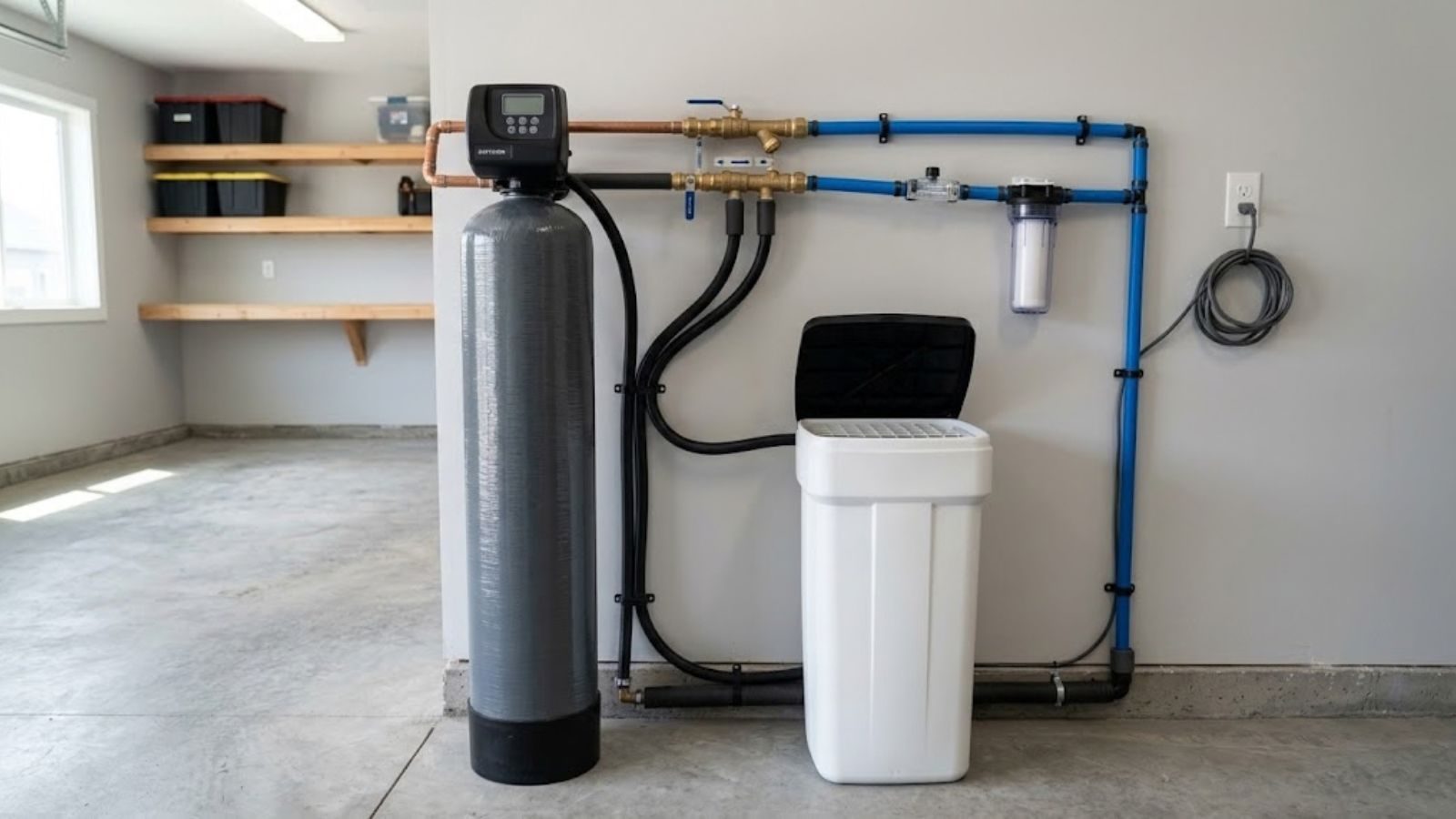
A water softener is a tank system that swaps hardness minerals, which are dissolved calcium and magnesium, for sodium or potassium. Hard water leaves scale on fixtures and inside water heaters. Before you buy one, find out how hard your water actually is.
The City of Minnetonka's 2025 Drinking Water Report prints no hardness figure, so we do not quote one. The city runs its own system, pumping groundwater from 18 wells, and the report says softeners remove hardness. Call the City of Minnetonka utility to ask, or buy a hardness test kit and check your own faucet.
The Minnesota Department of Health softening fact sheet says a home might need a softener if hardness is above 7 grains per gallon, or 120 mg/L, and that is the standard most guidance follows.
A rule of thumb from the state
The Minnesota Department of Health softening fact sheet says that if hardness is greater than 7 grains per gallon, or 120 mg/L, you might need a softener. The word might matters. Hardness above that line is a reason to consider one, not an order to buy.
Compare your test result to that number. If it is below, a softener may be money spent on a problem you do not have.
What nearby cities publish, and why it is not your number
Other cities print their own figures, and they differ a lot. The City of Eden Prairie says its treated water averages about 5 grains per gallon and that residents do not need a home softener. The City of Hopkins says its water is 21 grains of hardness.
Those are published figures for those cities, not Minnetonka's, and they show how much water can vary between neighbors. If you moved here from another suburb, do not assume your old softener setting applies. Test the tap in the house you live in.
Goal, equipment, and what to know
Softeners, filters and reverse osmosis do different jobs. Choose by what you want removed.
| Goal | Equipment | What to know |
|---|---|---|
| Reduce scale and soap scum. | Salt-based softener. | Uses salt, adds sodium, needs a drain line. |
| Better taste or odor at one tap. | Carbon filter or under-sink RO. | Removes some contaminants, needs filter changes. |
| Drinking water filtering. | Reverse osmosis unit. | Wastes some water, small faucet, tank under sink. |
| Iron staining. | Iron filter or softener rated for iron. | Rust stains need testing first, high iron may need a dedicated filter. |
| Sediment or cloudiness. | Whole-home sediment filter. | Protects fixtures, filter needs regular changes. |
Softener, filter and reverse osmosis are not the same
A softener removes hardness. It does not make water taste better or filter out chemicals. A carbon filter removes chlorine taste and some chemicals but not hardness. Reverse osmosis forces water through a membrane at one tap and removes many dissolved solids.
The city's own report lists fluoride, lead and copper results, and the City of Minnetonka utility can answer questions about it. We do not diagnose health effects of water. For a health question, ask your doctor or the Minnesota Department of Health.
Salt, sodium and where the brine goes
The Minnesota Department of Health notes that softener regeneration water ends up as waste, with environmental effects from the salt. Softened water also carries added sodium, which matters to anyone on a sodium-restricted diet. Ask your doctor if that applies to you.
Some homes keep a bypass on the kitchen cold tap so drinking and cooking water stays unsoftened. We can plumb that in at installation.
How a softener gets installed
Installation takes a few connected pieces of plumbing, and each one matters.
Pick the location
Near the main water entry, close to a floor drain or standpipe, with a nearby electrical outlet.
Set the bypass valve
A three-valve or built-in bypass lets you isolate the unit for service and still have water in the house.
Plumb the lines
We connect the inlet and outlet, usually with PEX or copper, and keep an outdoor spigot or cold-water tap off the softener when you ask.
Run the drain and brine line
The unit drains regeneration water through a hose to a standpipe with an air gap, so waste cannot flow back into the unit.
Program and test
We set hardness and regeneration, then run a cycle and check for leaks.
Permits and who can do the install
Permit rules vary. The City of Eden Prairie says a plumbing permit is required for water softeners, as well as water heaters and irrigation backflow preventers. For Minnetonka, ask the City of Minnetonka building department whether your project needs a permit. Its permit form says work is not to start without one.
Check your plumber's license at the Minnesota DLI Check a License lookup. A softener drain connection is plumbing work, and cutting into water lines needs a licensed plumber.
Water conditioner repair
Existing softeners fail in familiar ways: a salt bridge that stops the brine, a stuck valve or timer, a clogged injector or a leaking tank. The first sign is usually that water feels hard again, or that the unit runs constantly.
We service common issues, check the bypass valve and drain line, and tell you when a unit is not worth saving. For leaks inside the house from the softener's plumbing, leak detection can help find the source.
What affects the price of a softener install
Prices vary because the work around the tank varies. These factors matter most.
Insurance generally does not pay for water treatment equipment. If a softener tank leaks and floods a utility room, that may be covered as sudden water damage, so read your policy.
Planning around your water heater and pipes
Hard water shortens the life of a tank heater, and scale lowers the efficiency of a tankless water heater. If a heater swap is coming, plan the softener and heater work together. Older homes with galvanized or mixed piping should be looked at first, since new softened water can expose weak points. Homeowners in Eden Prairie and Excelsior should check their own city's published water information before buying.
Questions about water softener installation in Minnetonka
We cannot say. The City of Minnetonka's 2025 report prints no hardness figure, so test your tap or ask the city utility.
The Minnesota Department of Health says you might need a softener if hardness is greater than 7 grains per gallon or 120 mg/L.
Eden Prairie says its treated water averages about 5 grains per gallon and residents do not need a home softener. Hopkins says its water is 21 grains. Those are those cities' figures, not Minnetonka's.
It adds sodium, which matters to people on restricted diets. We do not diagnose health effects of water, so ask your doctor.
Yes. We plumb whole-home sediment or carbon filters and under-sink RO units, and we will tell you what each one does and does not remove.
We handle common faults like valves, drains and bypasses. If the tank leaks or the unit is old, we will tell you if replacement makes more sense.
Same-day appointments are offered when available. Call the 24/7 line.