
What you are really paying for
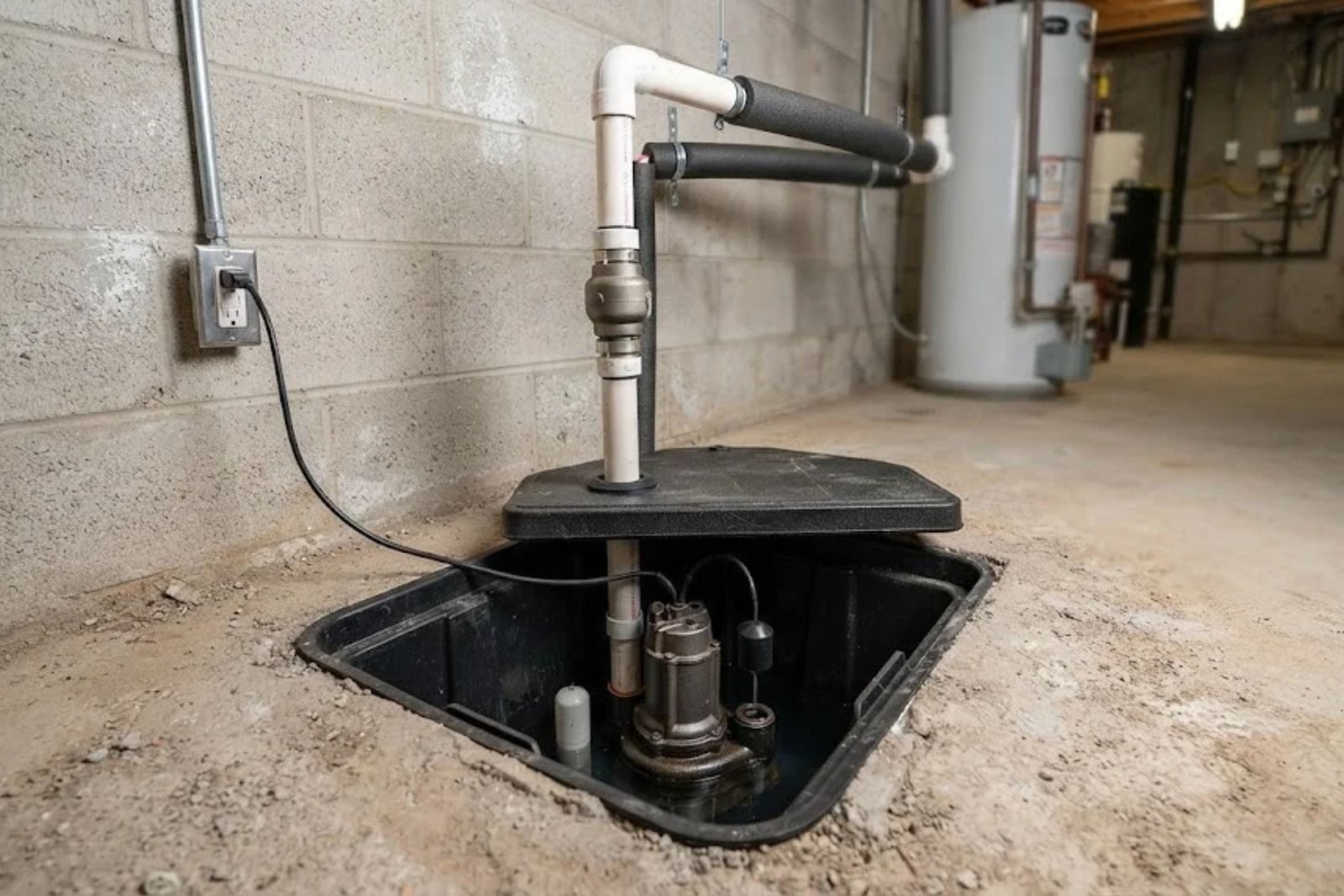
A sump pump moves groundwater out of a pit in the basement floor and discharges it outdoors, away from the foundation. The pump itself is the smallest part of the job. Most of the labor is the pit, the plumbing that carries water outside, and the electrical connection.
Two houses can get the same pump and very different bills. A basement that already has a pit and a short run to the exterior wall is a straightforward swap. A basement with solid slab, no pit and a long run to daylight is a bigger project, and the quote should show that difference line by line.
Installation is plumbing work covered by Minnesota Rules chapter 4714, and the Wayzata page says sump pump replacement needs no permit if the piping is not altered, so the standards differ by city.
Cost factors on a sump pump installation
No two quotes line up unless these five factors match. Ask what each quote assumes.
Many policies cover sudden burst-pipe damage but exclude water that seeps in from the ground or backs up from a drain unless you added a rider. Read your policy and call your insurer before you decide whether a pump or backup is worth the cost.
Submersible or pedestal: the pump choice
A submersible pump sits in the water, runs quietly and handles a finished basement well. A pedestal pump keeps its motor above the pit, so it is easier to reach, but it is noisy and wears faster. Cast iron housings last longer than plastic ones.
Float switches fail more often than motors. A vertical float or an electronic switch costs more up front and sticks less in a narrow pit. Ask which switch comes in the quote.
Low, medium and high: where your job falls
Use this to place your project before you collect quotes.
| Scenario | What the work involves | Cost level |
|---|---|---|
| Replace pump in sound existing pit. | Swap pump, check valve and float, test run. | Low. |
| Replace pump and fix a failing discharge line. | New pipe run, new check valve, outdoor outlet. | Medium. |
| New pit in finished slab, short discharge. | Cut slab, set liner, patch concrete, plumb outlet. | Medium to high. |
| New pit plus long discharge run. | Trench, long pipe run, grading, restoration. | High. |
| New pit, battery backup and interior drain tile tie-in. | Full system with backup power and tile connection. | High. |
A plumber should be able to put your job in one of these rows after a short basement visit. If a quote lumps everything into one number, ask for it to be broken out.
Questions to ask before you sign
- Is the pit existing, or will the slab be cut? Who patches the concrete?
- Where will the discharge outlet end, and how will it avoid freezing and flowing back?
- Does the price include a check valve, a GFCI outlet and the permit?
- What is the backup if the power fails or the primary pump dies?
- Is the discharge line going outdoors and not to a sanitary drain?
- Who handles cleanup and testing, and is there a written warranty on parts and labor?
Water and electricity do not mix
Pump power must run through a GFCI-protected outlet, and never through a plugged-together chain of extension cords near the pit. If the pit is full and the pump is not running, do not reach in with your hand. Unplug it at the outlet only from a dry spot, or have a plumber do it. A battery backup, or a water-powered backup tied to the water line, keeps pumping if the grid goes dark in a storm.
Why the discharge line matters more than people expect
An outdoor discharge that ends next to the foundation sends water straight back toward the pit, so the pump cycles endlessly. It should end well away from the wall, on ground that slopes away from the house. In winter, a short open outlet can freeze solid and force water to back up into the pit.
Never tie the discharge into a sanitary sewer drain. Rules on this vary by city, so ask yours before you plumb it. Sump discharge goes outdoors or to a storm connection the city allows. A sump pump repair visit checks the whole path from pit to outlet.
What Hopkins and Wayzata homeowners should know about sump pump permits and runoff
The City of Hopkins says its stormwater drains to the Minnehaha Creek and Nine Mile Creek watersheds. That means your discharge line should flow onto your lot and away from neighbors, not into a sanitary drain, and you should ask the city where else it is allowed to go.
Wayzata's city page says it will not require permits, testing and inspection for plumbing fixture replacements such as replacing a sump pump, as long as the work does not alter the plumbing piping systems. A new pit or a rerouted discharge is a bigger job, so ask Metro West Inspections. Minnetonka's form, covered next, lists no exemptions.
Source: City of Hopkins stormwater page and City of Wayzata permit page.Permits in Minnetonka itself
The City of Minnetonka's plumbing permit application says work is not to start without a permit. Residential permits start at $77 for valuations of $1 to $1,000, fees are based on project valuation, and other fees such as plan review or re-inspection may apply. The form states no exemptions, so ask the City of Minnetonka building department whether your project needs one.
Ask whether the permit is part of your quote and who pulls it. If you are adding drain tile or a perimeter system, see how it fits with basement waterproofing before you buy a pump alone.
Hopkins and Wayzata: where to start
Hopkins plumbers work with homes where about 60 percent of owner-occupied units are at least 60 years old, which means many basements have old slabs and original drain lines to check before a new pit goes in. In Wayzata, the lakeside setting is a reason to ask about a battery backup, since groundwater can rise in wet seasons.
Questions about this topic
It depends on whether the pit exists, how far the discharge must run, which pump you choose and whether backup power is added. A pump swap in a good pit is at the low end. A new pit with a long run is at the high end.
If your basement floods in storms, yes. Storms often cut power exactly when groundwater rises. A backup gives you hours of pumping during an outage.
It depends on the city and the scope. Minnetonka's form states no exemptions, so ask the City of Minnetonka building department. Wayzata exempts like-for-like fixture replacements that do not alter piping.
Generally no. Clear groundwater should not enter the sanitary sewer. Ask your city where discharge is allowed. The usual answer is outdoors, away from the foundation.
A swap in an existing pit is usually a matter of hours. A new pit involves cutting and patching concrete, which stretches the job and needs cure time before heavy use.
The fee is based on project valuation, covering materials, equipment and labor. Residential permits start at $77 for valuations of $1 to $1,000, and other fees may apply.
Related plumbing help
If this problem is happening now, these pages cover the work and the towns the 24/7 line serves.