
What a plumbing installation job includes
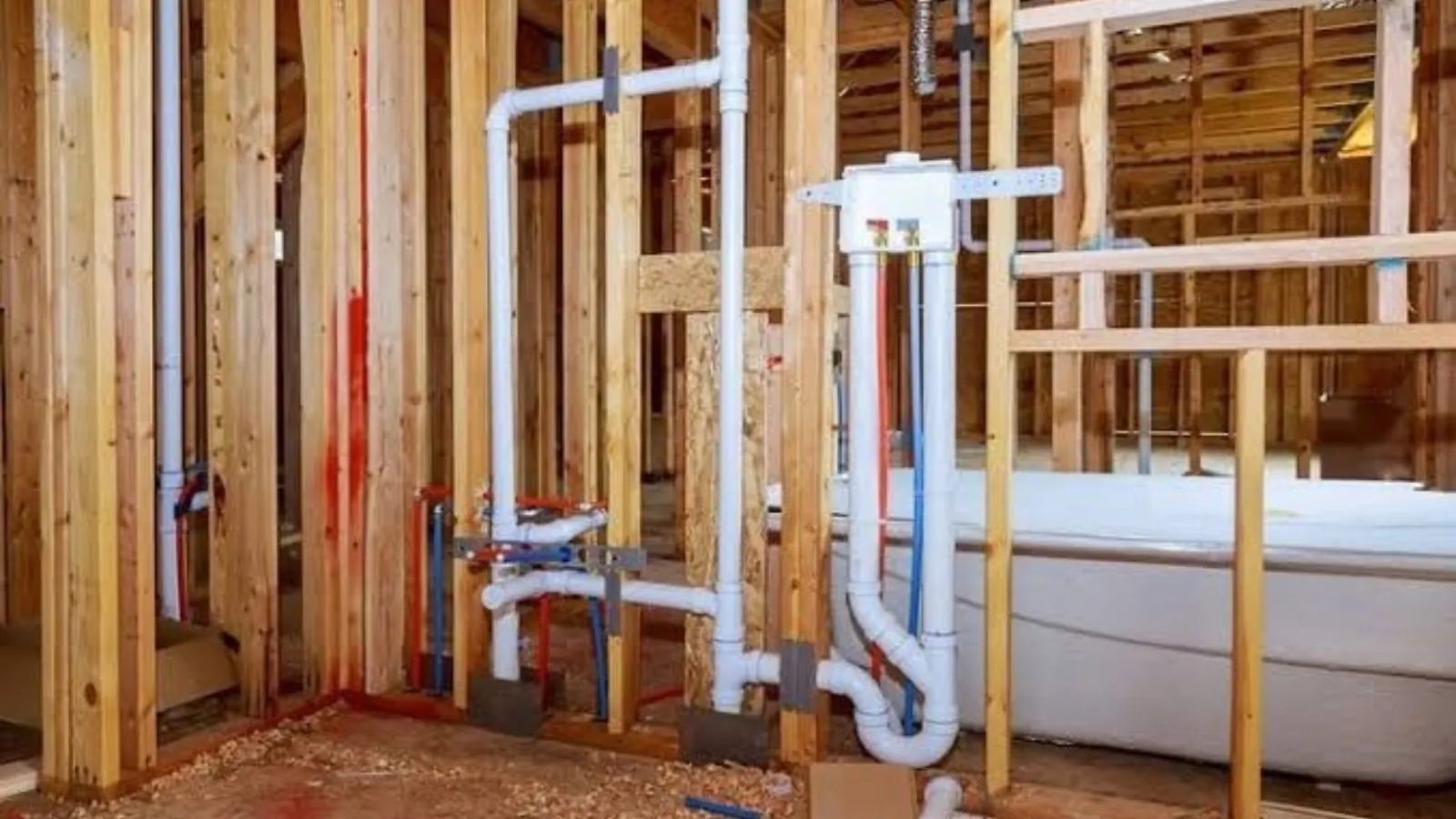
Plumbing installation is the work of putting in new fixtures, supply lines, drains, vents and valves, or moving existing ones. It covers a new bathroom, a kitchen remodel, a basement bath, a utility sink, an outdoor spigot and the lines that feed an appliance. A good install starts with a plan for water supply, drain slope and vent path before any wall is opened.
In Minnetonka, much of the single-family housing was built between 1950 and 1970. That means many installs tie into original drain pipes and older supply lines, so we check the pipe you are connecting to and not just the new fixture. New fixtures and piping are installed to the Minnesota Plumbing Code, Minnesota Rules chapter 4714, and many cities require a permit before the work begins, so check the local standards first.
Project, what gets installed, permit question to ask
Permit rules depend on the project and the town. Use the last column as your question for the city.
| Project | What gets installed | Ask the city |
|---|---|---|
| Bathroom addition. | Toilet, vanity, tub or shower, drain, vent, supply. | Does it need a plumbing permit and plan review? |
| Kitchen remodel. | Sink, disposal, dishwasher hookup, supply stops. | Is a permit needed if the sink moves? |
| Basement bath. | Rough-in under slab or ejector pit, vent. | How is slab cutting inspected? |
| Water heater swap. | Tank or tankless, venting, T&P valve. | Does the vent or gas line need a separate permit? |
| Custom tile shower. | Pan, drain, valve, waterproofing. | When is the shower pan inspection scheduled? |
| Gas line. | Pipe, shutoff, appliance connector. | Who holds the license and which permit applies? |
Permits and inspections in Minnetonka
The City of Minnetonka plumbing permit form says work is not to start without a permit. Fees are based on the value of the project, and residential permits start with the smallest tier on the form. Other fees such as plan review, re-inspection and a state surcharge may apply. The form lists no exemptions, so ask the City of Minnetonka building department whether your project needs a permit.
The form also notes that custom tile showers need a shower pan inspection, and that mechanical, electrical and building work each need their own permits. A homeowner doing their own permitted work must own and occupy the home. Licensed plumbers pull the permit for most installs, and you can check a plumber's license at the Minnesota DLI Check a License lookup.
If you smell gas, leave first
Gas smells like rotten eggs. If you smell gas, do not flip switches, use a phone inside or look for the source. Leave the building right away, then call the gas utility or 911 from outside before you call us.
We do not promise a response time for a gas leak, because the gas utility or fire department has to make the area safe first. Once they clear the building, we can look at the plumbing side.
Gas line inspection and installation
Gas piping for a range, dryer, water heater, fireplace or grill is its own category of work. The City of Minnetonka form says fuel gas piping requires a city license and a state bond, and it uses the mechanical permit application. So before anyone runs black iron, flexible connector or CSST, ask who holds the license and how the permit is pulled.
A gas line job ends with a pressure test of the new piping and a check at every joint and appliance connection. We can inspect an existing gas line for corrosion, loose fittings or an unsafe flex connector, and tell you what needs to be replaced. We do not diagnose gas appliance faults beyond the plumbing connections.
New construction rough-in
New construction plumbing happens in stages. Rough-in puts drains, vents and supply lines in the framing, a pressure or water test proves the system holds, and the inspector looks before walls close. Fixtures go in at trim-out.
Minnetonka's permit form says a Certificate of Occupancy will not be issued until Public Works confirms the water meter is installed. Plan that meter step before the final inspection date, or the house sits unfinished.
Appliance and fixture hookups
Small hookups are the most common installation calls. Each one has a few details people tend to miss.
Sink and faucet reconnection
Old supply stops often seize or leak when turned. We replace them with new quarter-turn stops and braided lines, then check for drips under load. See faucet repair if the faucet itself is the issue.
Dishwasher
A dishwasher needs a supply line, a drain hose with a high loop or air gap, and a clear connection at the disposal or tailpiece. A poor drain loop is a common cause of smelly standing water.
Washer valves
A washing machine box has hot and cold valves and a standpipe drain. Worn valves can seep inside the wall, so we replace them as a set and test with the machine running.
Toilet set
A new toilet needs a flat flange, a fresh wax or foam seal and the right fill valve. See toilet repair if an existing toilet is the problem.
How an installation visit goes
Planned jobs follow the same arc, whatever the size.
Look at the site
We check pipe size and material, shutoff valves, drain slope and the location of the vent.
Agree the scope and price
You get a clear price before work starts, including any permit and parts we know about.
Install and test
We shut the water off, install, and pressure test or run the fixture under water to catch leaks.
Inspection and cleanup
If a permit applies, the inspector signs off. We leave the work area clean and show you the shutoffs.
What affects the cost of plumbing installation
There is no single number for installation. These factors change the quote the most.
Insurance rarely pays for planned installs or upgrades. If a failed old line caused sudden water damage, ask your insurer whether the repair is covered.
Where this fits with other plumbing work
Installs often come with a related repair. A water heater swap pairs with water heater installation, and a remodel may reveal old pipes worth replacing, which is covered under repiping. Homeowners across Wayzata, Hopkins and Plymouth call us for the same jobs, and we work to Minnesota Plumbing Code, which is Minnesota Rules chapter 4714.
Questions about plumbing installation in Minnetonka
Ask the City of Minnetonka building department. The city's permit form says work is not to start without a permit and lists no exemptions, so the safe move is to ask before you begin.
No. Leave the building, then call the gas utility or 911 from outside. We cannot promise a response time for a gas leak, and the utility must make the area safe first.
Yes. We disconnect and reconnect supply lines, drain and faucet, replace worn stops and test for leaks.
Yes. We run the supply, set the drain loop or air gap, and check the washer box valves and standpipe.
Minnetonka's form says fuel gas piping requires a city license and state bond. Ask who will hold the license before you hire.
We handle rough-in and trim work on planned jobs. The schedule depends on the inspections the city requires.
Same-day appointments are offered when available. Call the 24/7 line and we will see what the schedule allows.